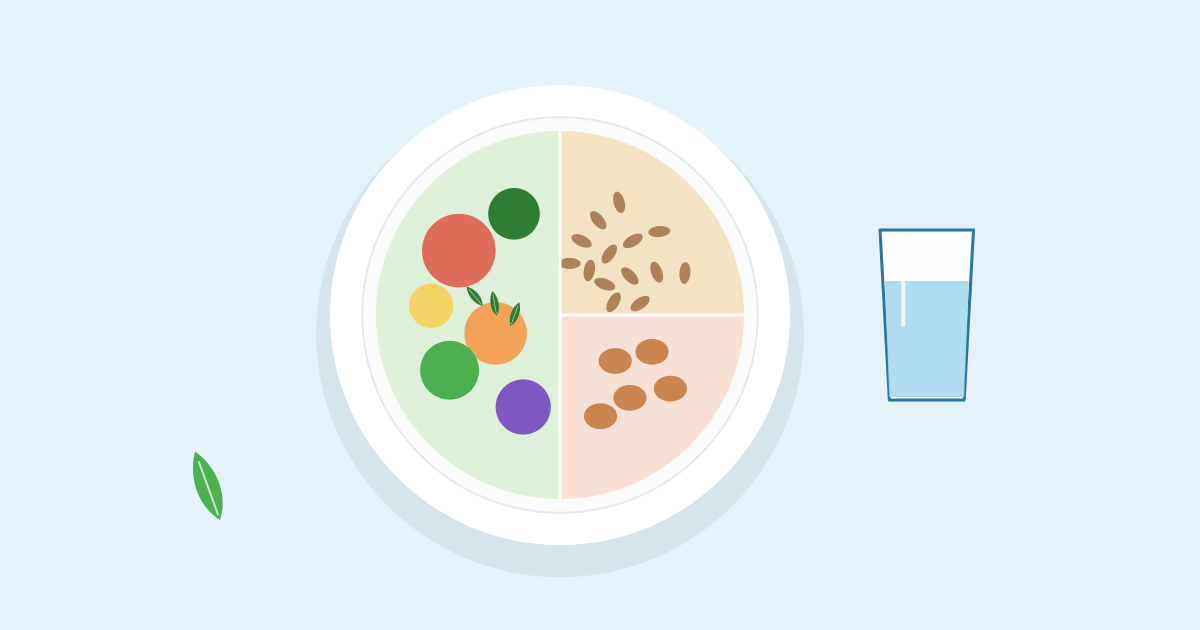
A Beginner’s Guide to Balanced Eating
What balanced eating looks like in practice, using the Canada’s food guide plate: vegetables and fruits, whole grains and protein foods.
Read article
Food labels can look busy, but a few key parts make it much easier to compare products and choose foods that fit your needs. Here’s how to use them, based on Health Canada’s guidance.
Published: Last reviewed:
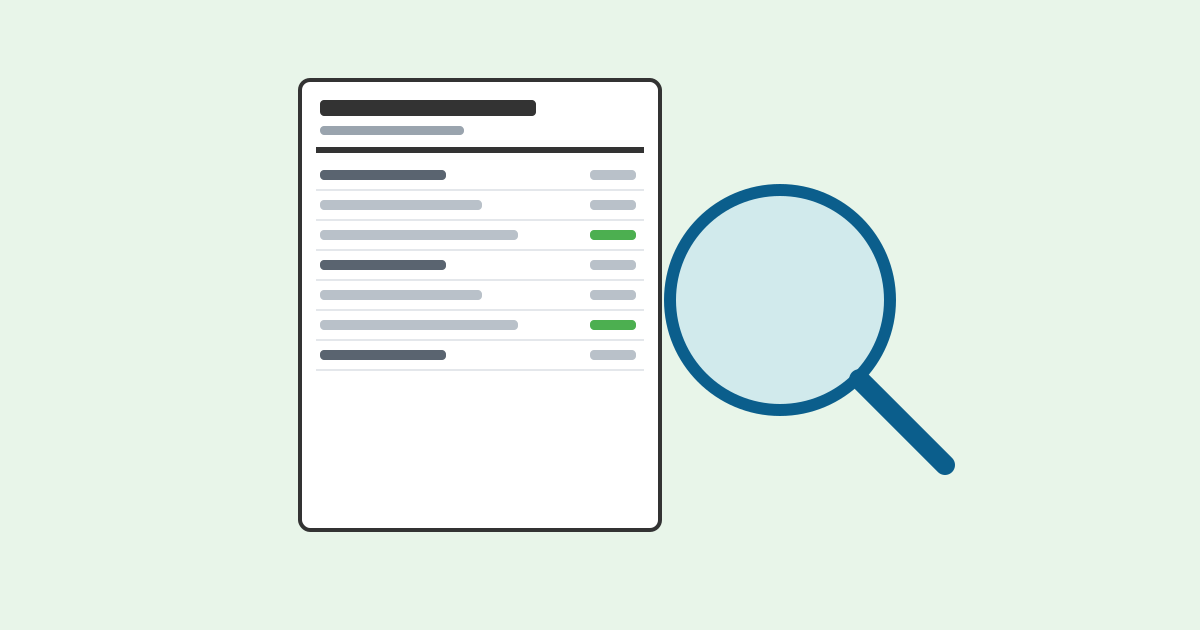
All the information in the Nutrition Facts table is based on the amount of food listed at the top. Compare this with how much you actually eat — if you eat twice the serving, you get twice the amounts listed. When comparing two products, check that the serving sizes are similar.
The % DV shows whether a serving has a little or a lot of a nutrient. Health Canada’s simple rule:
Health Canada suggests choosing products with less sodium, sugars and saturated fat, and more fibre, calcium, iron and potassium.
Ingredients are listed by weight, from most to least. If sugars, salt or a type of fat appear near the beginning, the food contains more of them.
Health Canada now requires a front-of-package nutrition symbol on many prepackaged foods that meet or exceed set levels of saturated fat, sugars or sodium. It’s a black-and-white magnifying-glass symbol that shows which of these nutrients the food is high in.
Some foods are exempt — for example, plain fruits and vegetables, plain milk and yogurt, cheese, and single-ingredient raw meats. The symbol is a quick flag. The Nutrition Facts table gives the full picture.
Words on the front of a package are designed to sell. Canada’s food guide reminds us that food marketing can influence our choices. The Nutrition Facts table and ingredient list are the most reliable places to compare products.
Links were checked on 28 October 2026. External sites may change their content.

Written by the PreppingForHealth.ca editorial team. Reviewed against the sources listed above. Named author and professional reviewer details will be added only when verified. Author to confirm
What balanced eating looks like in practice, using the Canada’s food guide plate: vegetables and fruits, whole grains and protein foods.
Read article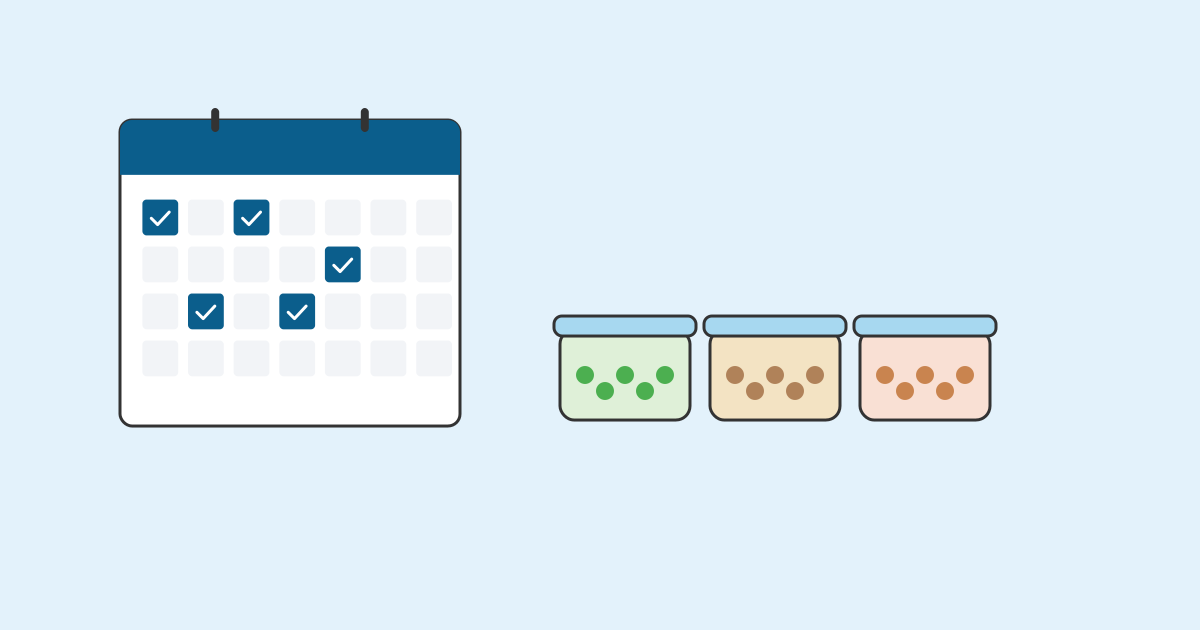
A four-step approach to planning meals, writing a grocery list and saving time and money during a busy week.
Read article
Why water matters, practical ways to drink more of it, and why there’s no single amount that’s right for everyone.
Read article